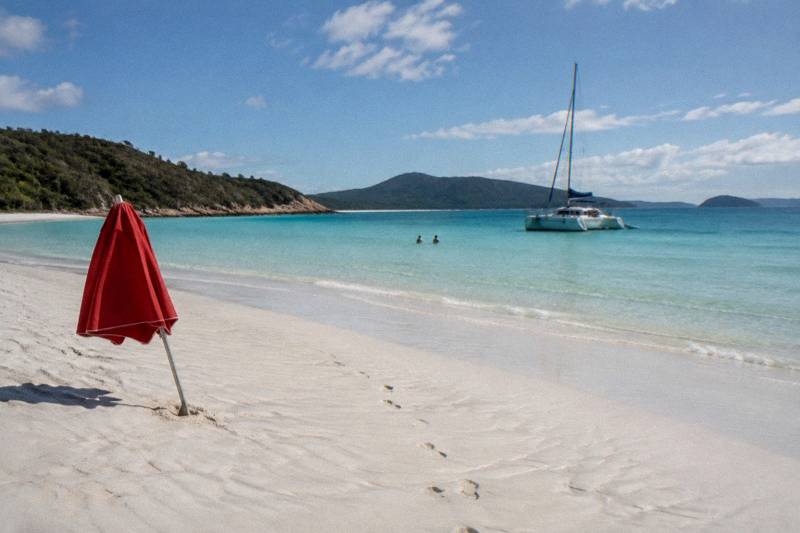
Is It Worth Going To Whitehaven Beach?
An honest pros-and-cons look at Whitehaven Beach: the sand, the crowds, the tides at Hill Inlet, the costs and the tours that get you there from Airlie Beach.
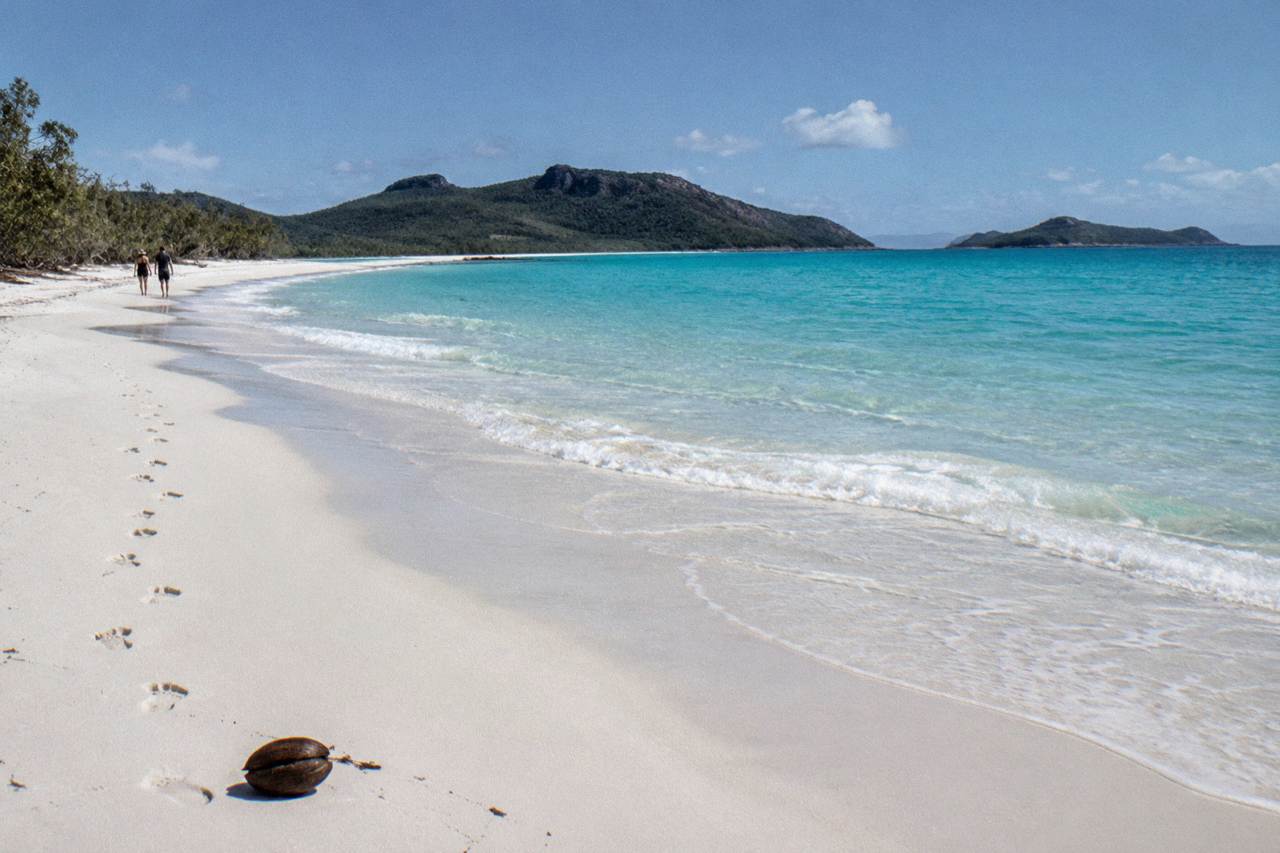
Is It Worth Going To Whitehaven Beach?
The short answer from the evidence: yes, for most travellers, because the beach itself is genuinely unusual, roughly 7 km of almost pure silica sand on Whitsunday Island, and the cheapest way to stand on it is a cruise from Airlie Beach from A$124 per person. The honest caveats are crowds at peak times, tide-dependent water at Hill Inlet, no lifeguards and no mobile reception, and stinger season from November to May. Here is how the sand, the tides and the tour prices stack up, so you can decide if it earns a spot on your itinerary. Part of the beach's fame comes from its screen appearances, so if you're wondering whether the movies were really shot there, our guide to the film history of Whitehaven Beach sorts fact from rumour.
Whitehaven is not a hidden cove. It is the flagship destination of the Whitsundays, the reason most of the 30 bookable trips in the region exist, from the budget Cruise Whitsundays half day to the Red Cat Adventures catamaran, the Ocean Rafting speedboat, the OzSail overnight yachts and the scenic flights that photograph it from above. That popularity is the whole argument of this page: is the beach worth the ticket, the crowds and the early start?
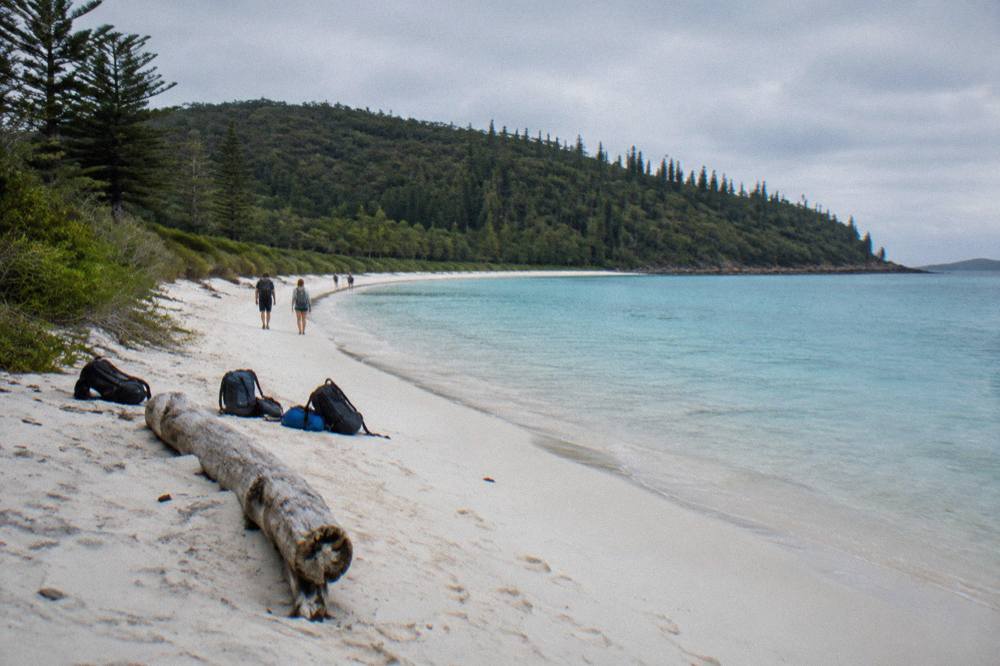
Is It Worth Going To Whitehaven Beach?
For most visitors, yes: Queensland Parks describes Whitehaven as about 7 km of silica sand, a scale and whiteness you will not find elsewhere in the Whitsundays, and the day trips that reach it start from A$124 per person. The cases against are real but manageable: peak-hour crowds, inlet water that changes with the tide, no swimming patrols, and stinger season from November to May when a suit is advised.
Start with what the beach actually is, because the marketing gloss deserves stripping back. Whitehaven sits on the eastern shore of Whitsunday Island, the largest island in the group, and it is a national park beach with picnic tables, non-flush toilets and nothing else: no shops, no resort, no jet ski hire. Queensland Parks lists the day-use area as open 24 hours, reached by boat, with the nearest public mooring at Tongue Bay. The sand is the attraction, and it is not ordinary sand. The grains are silica, fine and pale, and the beach holds together as a single unbroken arc for about 7 km, which is why nearly every scenic flight in the region routes over it.
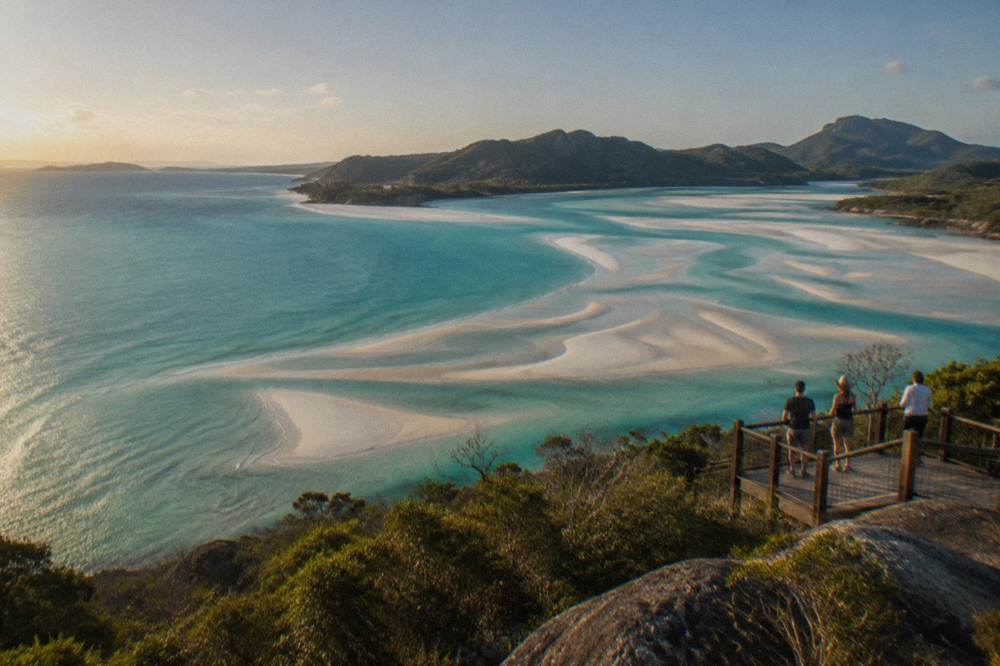
The Hill Inlet end is where the famous photographs come from. At the northern tip of the beach, tidal water moves across the sand flats and paints the swirls you have seen on every Whitsundays postcard. The lookout above it is reached by a walk of 1.3 km return, rated moderate, allowing about 40 minutes, with twin platforms at Tongue Point. That walk and that view are included on almost every Whitehaven day tour that mentions Hill Inlet, including the featured Red Cat Adventures cruise and the Ocean Rafting trips. If the speedboat option appeals, our guide to Ocean Rafting's Whitehaven and Hill Inlet day trip covers what the ride, the reef stops, and the lookout visit actually involve.
So the honest verdict on "worth it" splits into three questions. Is the beach itself special? Yes, and measurably so. Is the experience ruined by sharing it? Depends entirely on when you go and which boat you pick. Is it worth the money? The floor is from A$124 per person for the cheapest half-day-style cruise, which is modest for a full day on the water in Australia.
What Are The Genuine Pros Of Whitehaven Beach?
The sand and the inlet are the two real pros, and both are verifiable rather than hype: about 7 km of silica sand per Queensland Parks, and a tidal inlet whose swirls shift hour by hour beneath a 1.3 km return lookout walk. Add free day-use access once you are on the beach, camping from A$7.75 per person per night, and a choice of more than a dozen boat styles from Airlie Beach.
The first pro needs no embellishment. Silica sand of this purity and grain size is rare, and the practical effect is a beach that stays cool underfoot even on hot days and reflects light so strongly the water over the flats looks lit from below. Queensland Parks is the source for the 7 km figure, and the scale is the point: even with several boats at anchor, there is usually more empty sand than occupied sand if you walk ten minutes south of the main landing area.
The second pro is Hill Inlet itself, and specifically its impermanence. The pattern of sand and water in the inlet changes with every tide cycle, so two visitors on the same day, one at 9am and one at 3pm, effectively see two different beaches. Queensland Parks notes that the inlet water is tidal, the current can be strong and the level can rise rapidly, which is a safety point but also the reason the view never repeats.
The third pro is access economics. The bare boat fare to Whitehaven starts at from A$124 per person, and once you land, the national park day-use experience is free: no entry fee, no permit needed for day use, picnic tables and toilets in place. For campers, a Whitsunday Islands National Park permit is A$7.75 per person per night or A$31.00 per family per night, which makes an overnight on one of the world's best-known beaches one of the cheapest nights in Queensland tourism.
The fourth pro is range of formats. You can reach Whitehaven on a large catamaran with a buffet, a rigid inflatable with a small group, a sailing yacht, an overnight trip, a scenic flight with a beach landing, or a fast ferry-style cruise. Few Australian icons come with that many price points and travel styles attached.
What Are The Honest Cons?
The cons are crowds in peak periods, tide-dependent inlet conditions, no lifeguards or mobile reception, stinger season from November to May, and a boat ticket that is unavoidable, since there is no road, no bridge and no public ferry to the beach itself. Weather can also cancel or reshape any given day.
Crowds first, stated plainly. Whitehaven is the destination for essentially every day trip out of Airlie Beach, and in Australian school holidays and the July to September dry-season peak, several hundred people can be on the beach and lookout at once. The tour boats mostly land in the same general zone near the southern end. If your mental image is an empty beach, you will be disappointed at 11am in August. If you walk north or south along the 7 km, the crowd thins fast, but the swimming and the view near the landing do not come with solitude in peak season.
Tide is the second con, and it is the one people misunderstand. The swirling inlet effect is real but it is not guaranteed at the moment you arrive. At low water the flats drain and the swirls can look muted; at mid to high tide the water returns and the pattern sharpens. Tours time their Hill Inlet lookout visits around this, but you do not control it. Queensland Parks also warns the current in the inlet can be strong and the water level can rise rapidly, and the beach and inlet are unpatrolled. Swimming is possible, and people do it daily, but it is swim-at-your-own-risk water, not a resort beach. The same question follows you back to the mainland, and why swimming at Airlie Beach rarely goes to plan explains what tides, stingers and crocodile awareness mean for your beach day in town.
The third con is what the island does not have: lifeguards, shops, drinking water, mobile reception at Whitehaven or Tongue Point per Queensland Parks, or any medical facility. Everything you need for the day comes with your boat. This is also why the cheapest listings without inclusions deserve a careful look before booking.
The fourth con is stingers. Marine stingers can be present in Whitsunday waters all year, with higher risk from November to May, and a stinger suit is advised in that window. The good news for tour passengers is that stinger suits are provided on commercial tour boats in season, so this is a planning fact rather than a reason to stay away. Our Whitsundays stinger season guide covers the detail.
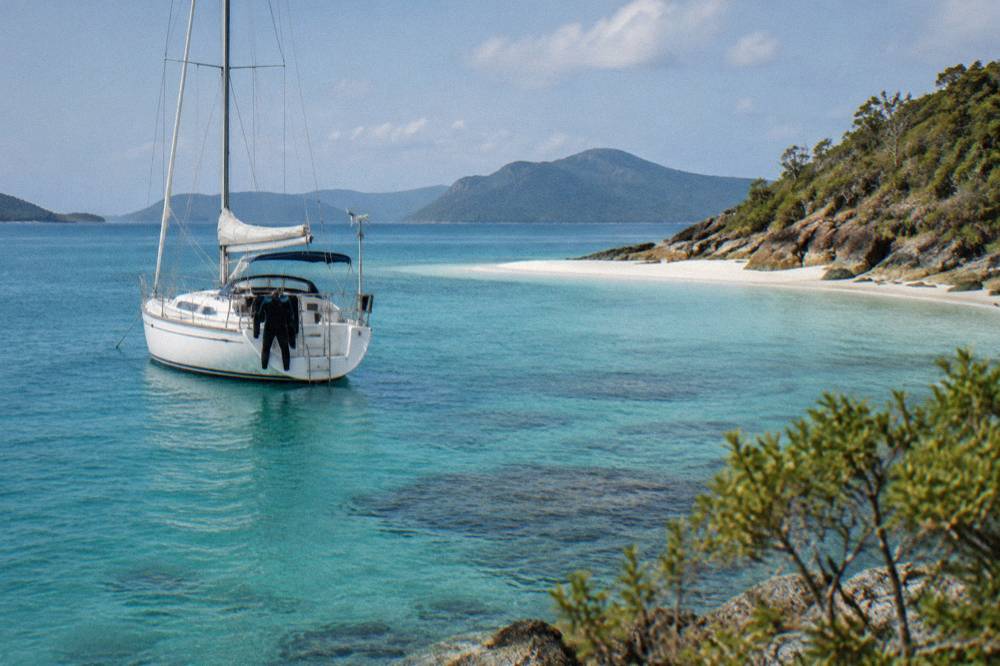
The fifth con is simply cost relativity. The from A$124 floor covers the boat and little else; that listing states no meal, no pickup and no snorkel gear, and its rating is 3.8 from 409 reviews, the lowest of the Whitehaven set. The fuller trips run from A$239 to A$265 per person. If your budget is tight, the question "is it worth it" partly becomes "is a fuller day worth roughly double the base fare", and for most travellers the answer is yes because lunch, gear and a snorkel stop are included.
To keep the trade-offs in one view, here is the honest balance sheet as it stands on the evidence above.
| Factor | What works in your favour | What works against |
|---|---|---|
| The sand | About 7 km of silica sand, cool underfoot, rare purity | Nothing comparable; this is the strongest pro |
| Hill Inlet | Tide-shaped swirls, 1.3 km return lookout walk | Pattern is tide-dependent and not guaranteed at your arrival time |
| Crowds | 7 km of sand thins quickly away from the landing | Peak season and school holidays bring hundreds to the main zone |
| Swimming | Possible and popular daily | Unpatrolled, inlet current can be strong, stingers possible all year |
| Facilities | Free day use, picnic tables, toilets | No shop, no fresh water, no lifeguards, no mobile reception |
| Cost | Cheapest listed boat from A$124 pp | Full-day trips with inclusions run from A$219 to A$265 pp |
How Much Does A Whitehaven Beach Trip Actually Cost?
The full price ladder runs from A$124 to A$699 per person across the roster: the cheapest Whitehaven cruise is from A$124, full-day trips with lunch and snorkelling sit between from A$219 and A$265, reef-and-Whitehaven combos start at from A$333, and overnight sailing trips reach from A$699. A reef tax of A$8.50 full day per person may apply on top.
Here is the honest cost picture built from the actual listings, with the Environmental Management Charge noted where relevant. The EMC, the Great Barrier Reef Marine Park charge collected through tour operators, is A$8.50 per full-day passenger and A$4.25 per part-day passenger, rising to A$9.00 and A$4.50 from 1 April 2027. Whether it is included in a ticket price is not stated on the listings, so check the booking page before assuming.
| Trip format | Example listing | From price pp | Rating | What the listing includes |
|---|---|---|---|---|
| Half-day-style cruise | Cruise Whitsundays half day | A$124 | 3.8 from 409 reviews | No pickup, meal or gear stated |
| Fast boat, small group | Ocean Rafting full-day raft trip | A$249 | 4.9 from 5,008 reviews | Pickup, meal, snorkel gear, free cancellation |
| Catamaran with buffet | Red Cat eco-cruise with buffet | A$250 | 4.8 from 3,235 reviews | Pickup, meal, snorkel gear, free cancellation |
| Snorkel cruise | Red Cat Hill Inlet snorkel cruise | A$250 | 4.9 from 3,166 reviews | Pickup, meal, snorkel gear, free cancellation |
| Day sail | Red Cat sail and snorkel | A$219 | 4.8 from 755 reviews | Meal, snorkel gear, free cancellation |
| Overnight sailing | OzSail 2-night with meals | A$600 | 4.7 from 574 reviews | Meals, snorkel gear, free cancellation |
Two patterns in that table are worth naming. First, the jump from A$124 to about A$220 buys a full day with lunch and snorkelling gear included, which is where most of the value sits. Second, the highest-rated options are not the most expensive: the Ocean Rafting trip at from A$249 per person carries 4.9 from 5,008 reviews, the deepest review pool on this site, and the Red Cat snorkel cruise carries 4.9 from 3,166 reviews at from A$250. Paying more buys a different format, not a better beach.
The Ocean Rafting speedboat comes with one honest caveat we flag wherever it is recommended: the operator's listing excludes pregnant guests and people with back problems, so check that before choosing the fast boat. The Red Cat Adventures catamaran cruise, this site's featured pick, lists pickup, lunch, snorkel gear and free cancellation, and pairs the beach with the Hill Inlet lookout and a snorkel stop.
Does The Tide And Timing Change The Experience?
Yes, substantially: the Hill Inlet swirls are tide-dependent, the lookout walk is 1.3 km return and about 40 minutes, and tour landing times are fixed by sailing schedules rather than by the tide table, so your inlet view is partly luck. Mid to high tide is when Queensland Parks notes anchoring at Tongue Bay and Hill Inlet is possible, and that is when the water pattern is usually at its strongest.
This is the least discussed part of the Whitehaven decision, and it matters more than the weather forecast in shaping what you actually see. The inlet is a dynamic system: water enters and drains across the sand flats with each cycle, and the famous feathered pattern is the interaction of that water with the sand ridges. At a drained low tide you may find the flats exposed and the swirls faint. An hour or two later, the same viewpoint shows a completely different picture.
You cannot book a tide. What you can do is pick a tour format that gives the inlet the best chance to perform. Full-day trips that include the Hill Inlet lookout, like the Red Cat snorkel cruise, the Ocean Rafting trips and the SeaLink eight-hour cruise, time their lookout visit within their schedule, and the longer the day, the more likely some part of your visit coincides with favourable water. The budget cruise, by contrast, is built around beach time and does not list a Hill Inlet lookout stop on its card, so if the swirls are the reason you are going, that listing is the wrong tool.
The tide also affects the boats. Queensland Parks states that anchoring at Tongue Bay and Hill Inlet is possible from mid to high tide, which is one reason tour schedules cluster the way they do, and why the public moorings in Tongue Bay are the practical staging point for the lookout walk. If you are planning an independent trip, our Hill Inlet lookout guide walks the track, the access points and the tide logic in detail.
One more timing fact worth knowing: Queensland Parks lists park alerts for the Whitsunday Islands, and track or lookout conditions can change, so checking the alerts before you walk is the standing advice. The beach itself is open around the clock as a day-use area.
Can You Visit Without A Tour, And Is That Better?
Yes, with limits: there is no road or public ferry to Whitehaven, so independent access means your own boat, a bareboat charter, a water taxi transfer or a camping permit with a drop-off, and the cheapest listed boat option remains from A$124 per person. Independent camping is the cheapest overnight at A$7.75 per person per night, but you carry everything in.
The question of independence is worth taking seriously, because "worth it" can change shape when you remove the crowd entirely. Queensland Parks permits camping at Whitehaven with 10 defined sites, a large group area and a maximum of 36 people, booked and paid for before arrival, walk-in only once you are ashore. Campers need to be self-sufficient: no fresh water on most islands, no shop, gas stoves only since open fires are prohibited, and generators are not permitted. The reward is the beach at dusk and dawn, when every tour boat has left and the 7 km of sand is close to empty.
For day visitors, the honest trade-off is control versus cost. A private or chartered boat lets you time the tide and dodge the landing crowds; a listed tour from A$124 handles the logistics, the safety equipment and the stinger suits, and includes a lookout walk on most full-day options. Bareboat charter in the Whitsundays requires no boat licence with the major operators, though at least two adult crew and a briefing are standard. We cover the full decision, including the water taxi and charter angles, in can you go to Whitehaven Beach without a tour.
What independence never removes is the sea itself. The inlet current, the tides, the stinger season and the weather apply equally to private visitors, and without a crew you carry the responsibility for all of them. For most travellers weighing "worth it", the tour is not a rip-off mechanism, it is the thing that makes the visit possible and safe.
So, Verdict: Should You Go?
Go if silica sand, the Hill Inlet swirls and a full day on the water appeal, because the beach delivers on its reputation and the entry price from A$124 per person is fair for what it buys. Skip or defer if you cannot tolerate crowds in peak season, if you need a patrolled swimming beach, or if your dates fall in the November to May stinger window and a suit is a dealbreaker for you.
The verdict deserves one last honest framing. Whitehaven's worth is not really in question on the evidence; the sand, the inlet and the lookout are exactly as advertised, and the review pools back it up, with the most reviewed Whitehaven trip carrying 4.9 from 5,008 reviews. What varies is fit. Families with small children and non-swimmers should weigh the unpatrolled water. Travellers chasing solitude should travel in the shoulder months or camp overnight. Budget travellers should know the cheap fare exists and what it omits.
Timing advice, briefly, because it changes the answer: the dry season from June to October brings the most reliable weather and the biggest crowds, September is described by the regional tourism body as the driest, calmest month, and the November to May stinger window simply means a suit, which the tour boats supply. More on that in our best time to visit the Whitsundays guide.
The last word on this beach, from the publisher of this site: Whitsunday Island Tours exists because Whitehaven and its neighbours reward the trip, and the listings around it are, on the whole, priced honestly for what they include. Choose the format that matches your budget and stomach for speed, check the tide if the swirls are your goal, and the answer to the question is almost certainly yes.
Whichever way you lean, these are the three listings that define the value ladder at Whitehaven, from the full featured day to the budget floor.
Common Questions About Whitehaven Beach
Is It Worth Going to Whitehaven Beach?
For most travellers, yes. The roughly 7 km of silica sand and the tide-shaped Hill Inlet swirls are genuinely unusual, day trips start from A$124 per person, and the best-reviewed options carry ratings of 4.8 to 4.9 across thousands of reviews. The trade-offs are peak-season crowds, unpatrolled swimming and stinger season from November to May.
What is the cheapest way to get to Whitehaven Beach?
The cheapest listed option is the Cruise Whitsundays half-day-style cruise from A$124 per person, departing Port of Airlie. That listing states no meal, no pickup and no snorkel gear, so budget for food and extras. Full-day trips with lunch and snorkelling start at from A$219 per person.
Can you swim at Whitehaven Beach?
Yes, people swim there daily, but the beach and Hill Inlet are unpatrolled, the inlet current can be strong, and the water level can rise rapidly with the tide. Marine stingers can be present all year with higher risk from November to May; a stinger suit is advised in that window and commercial tour boats provide them in season.
How long do you need at Whitehaven Beach?
Most tours give roughly two to three hours on the sand plus a Hill Inlet lookout stop, which suits the 1.3 km return, 40-minute moderate walk. A full-day trip from Airlie Beach typically runs six to eight hours door to door.
Do you have to pay to walk on Whitehaven Beach?
No day-use fee applies to the beach itself once you arrive; the cost is the boat. Overnight camping requires a Queensland national park permit at A$7.75 per person per night or A$31.00 per family per night, booked before arrival.
When is Whitehaven Beach most crowded?
Australian school holidays and the July to September dry-season peak bring the most boats and passengers, with several hundred people possible at the main landing and lookout. Walking away from the landing zone thins the crowds quickly along the 7 km of sand.