Which Whitsunday Island Is Best For Snorkelling?
Hook Island, Langford Reef and Hardy Reef compared for snorkelling, with real tour prices, stinger season guidance and reef condition notes for the Whitsundays.
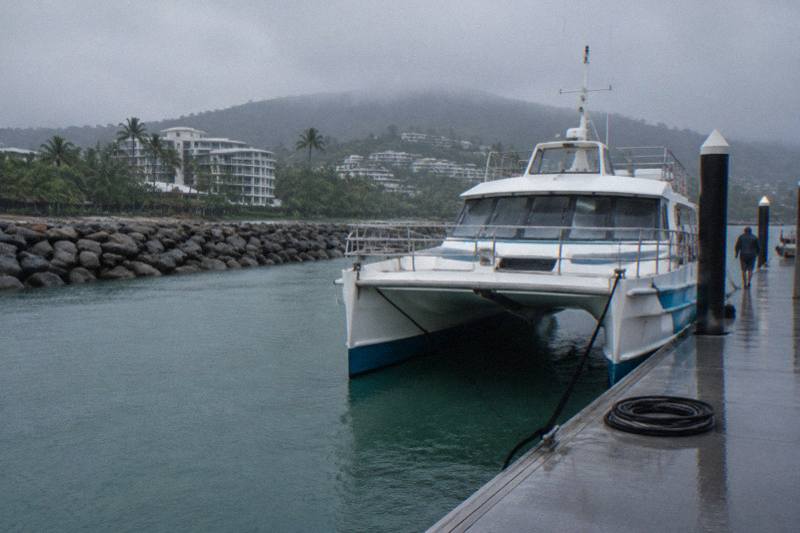
Choosing a snorkel island in the Whitsundays is really choosing a boat. The reefs sit around Hook Island and the northern island group, on fringing coral close to shore, while the clearest water and the most " aquarium" style snorkelling sits 39 nautical miles offshore at Hardy Reef, where the Cruise Whitsundays pontoon moors. A third path, the Red Cat catamaran snorkel cruise from A$250 per person, stitches a fringing reef stop to Whitehaven Beach and Hill Inlet in one day, which is why it is the listing most snorkellers end up taking. What follows compares the islands honestly, because no operator can promise what the coral or the fish will do on the day you go.
Which Whitsunday Island Is Best For Snorkelling?
Hook Island is the best single Whitsunday island for snorkelling, with the richest fringing reefs along its bays and the famous Nara Inlet and Mantaray Bay moorings on operator itineraries. If clear, open-water coral is the priority over island scenery, Hardy Reef at the outer pontoon beats any island bay. Langford Reef and the northern islands sit between the two: pretty, sheltered, and best reached on a small-group speedboat.
That three-way split is the honest answer, and it maps onto the three styles of trip sold from Airlie Beach. The sheltered bays of Hook Island sit closest to the mainland departure points, so almost every day trip that markets "island snorkelling" puts you in the water somewhere along its western or southern coastline. The Ocean Rafting speedboat trips, from A$249 per person and rated 4.8 from 2,433 reviews on one listing and 4.9 from 5,008 on another, are built around this: fast ribs, small groups, and snorkel stops in the northern islands. Note that Ocean Rafting's own listing excludes pregnant guests and people with back problems, which matters on a rigid-hulled rib at speed.
Hardy Reef is a different product entirely. The Cruise Whitsundays reef pontoon sits permanently moored 39 nautical miles offshore, and the Reefworld day cruise, from A$329 per person, gives you around four hours on the reef with snorkel gear, stinger suits, an underwater observatory and a semi-submersible included. The trade is simple: less island scenery, more time over genuine outer-reef coral.
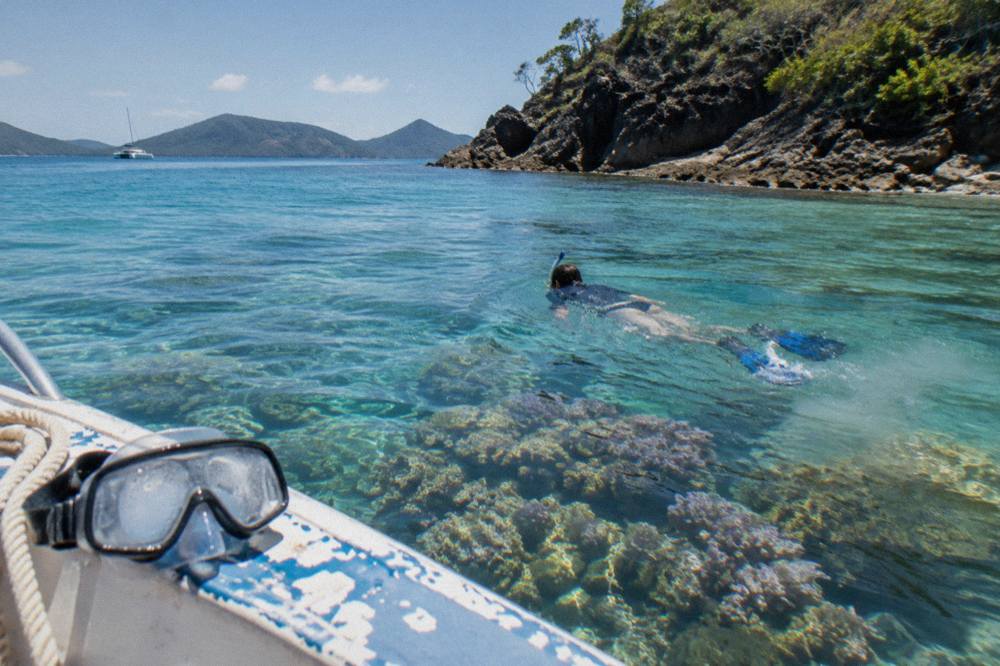
The middle path is the combo day. The Red Cat Adventures catamaran cruise, from A$250 per person and rated 4.9 from 3,166 reviews, includes a snorkel stop, Whitehaven Beach time, the Hill Inlet lookout, lunch and gear, with free cancellation listed. It will not give you the outer reef, but it gives a first-time visitor the widest single day of the Whitsundays. The trio below covers all three styles.
Is Hook Island The Best Place To Snorkel In The Whitsundays?
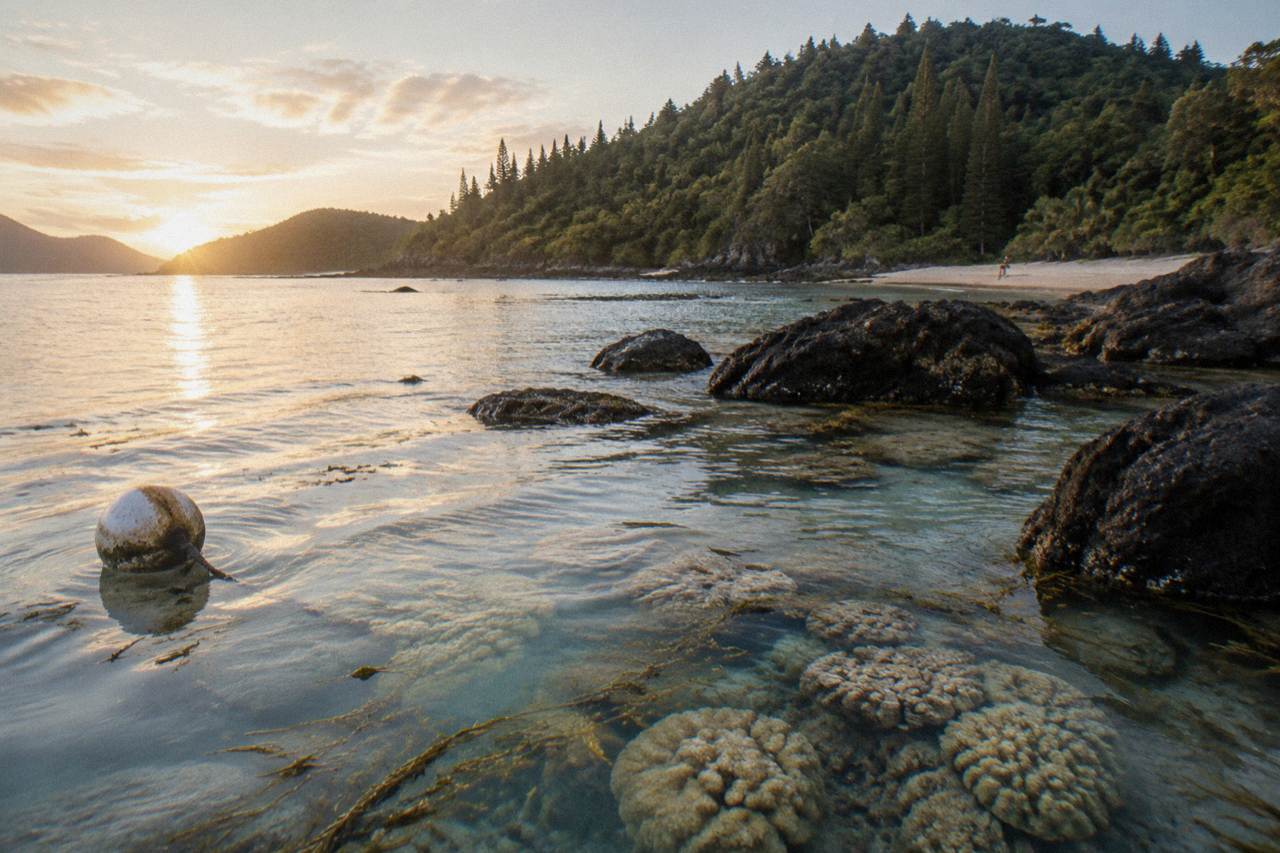
Hook Island is widely treated as the best inshore snorkelling island in the Whitsundays, and Queensland Parks lists several of its bays and walking tracks as key attractions. Its fringing reefs sit in shallow, sheltered water inside the islands, which suits beginners and families. The coral is inshore fringing coral, so colour and cover vary between bays and visibility changes with tide and weather, so no operator can promise a clear day.
The island's geography does most of the work. Hook forms the eastern wall of the Whitsunday passage, and its western bays face the calm water between Hook, Hayman and Whitsunday islands, so the swell that ruins visibility further out rarely reaches them. Day boats and sailing trips stop along this coast routinely. The ZigZag Whitsundays eco-cruise, from A$239 per person and rated 4.9 from 1,109 reviews, lists two snorkel stops on its eight-hour itinerary, and the Red Cat sail-and-snorkel day, from A$219 per person, follows the same logic under sail.
Two honest caveats belong next to any Hook Island recommendation. First, these are fringing reefs a short swim from shore, not outer-reef walls: the coral is genuine and often lovely, but visibility and colour change with tide, wind and recent weather, and no source on this site will quote a visibility figure because none is verified. Second, Queensland Parks lists park alerts for the Whitsunday Islands, and tracks, lookouts and day-use areas can close temporarily for maintenance, so it is worth checking the alerts page before you build a day around a specific bay. If scenery above the water matters as much as the reef below, the guide to the prettiest island in the Whitsundays compares the main islands side by side.
For most travellers the practical Hook Island answer is a boat, not a ferry. There is no scheduled Hook Island passenger service in the verified research, so the island's snorkelling arrives packaged inside a day trip from Coral Sea Marina or Port of Airlie. The broader Whitsundays snorkelling guide maps the individual bays and moorings in more detail than a single-island comparison can.
Wondering whether the combo day beats a dedicated snorkel trip? Free cancellation is listed on the Red Cat cruise, so the decision is reversible, and the reef-stop-plus-Whitehaven format is the reason it carries 4.9 from 3,166 reviews.
What About Langford Reef And The Northern Islands?
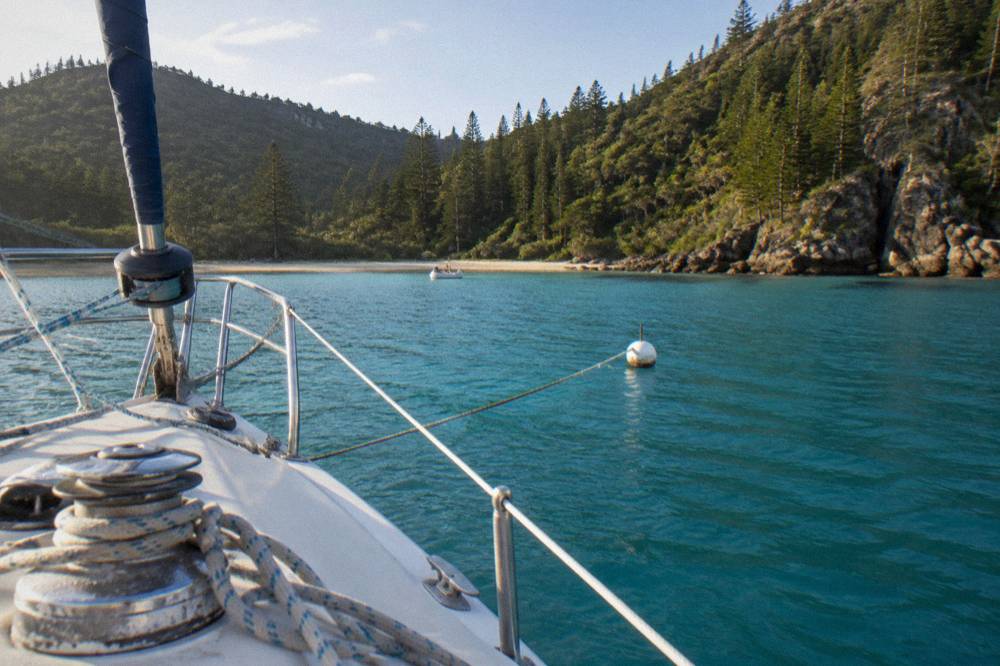
Langford Reef, Black Island and the smaller northern islets sit between Hook Island and Hardy Reef on every measure that matters: prettier and shallower than the outer reef, more remote-feeling than the Hook bays, and reachable mainly on small fast boats. The Ocean Rafting trips from A$249 per person are the listings built around this area, pairing northern-island snorkel stops with Whitehaven Beach and Hill Inlet.
The northern group is the part of the Whitsundays most often photographed from the air, and the snorkelling follows that character: small reefs in clear, shallow water beside tiny islands, with sand cays exposed at low tide. Because the sites are scattered and unmarked for landers, they are effectively boat-only, which is why the speedboat format dominates here. The rigid inflatable gets you two or three stops in a day that a catamaran would spend on one.
The Ocean Rafting products are the reference point. The listing sold on this site at from A$249 per person, 4.8 from 2,433 reviews, runs 6.5 hours to a full day and includes snorkel gear, a meal and pickup, with free cancellation listed; the second Ocean Rafting listing, same from-price, is rated 4.9 from 5,008 reviews over a seven-hour day. Again, the operator's own listing excludes pregnant guests and people with back problems, and that exclusion is stated here for exactly that reason. If a fast rib does not suit, the Pioneer Adventures glass-bottom boat from A$99 per person, one hour from Shute Harbour, shows reef through the hull without getting in the water at all.
For a slower northern-islands day, sailing options reach the same waters. The Lady Enid classic-yacht day trip, from A$295 per person and rated 4.7 from 213 reviews, runs nine to eleven hours with lunch and snorkel gear included, and the Providence day sail from A$220 per person covers Whitehaven and snorkelling over up to a full day.
Is Hardy Reef Better Than The Whitsunday Islands For Snorkelling?
Hardy Reef usually delivers the strongest snorkelling of the three options, because it is outer Great Barrier Reef coral reached by a permanently moored pontoon rather than inshore fringing reef, and the Reefworld day cruise from A$329 per person gives roughly four hours on site with gear and stinger suits included. The cost is a full ten-hour day with less island scenery and no Whitehaven stop.
The Cruise Whitsundays product sold on this site, listed as the Great Barrier Reef Adventure day, is rated 4.2 from 601 reviews at from A$329 per person, ten hours from Port of Airlie, with a buffet meal, snorkel gear and free cancellation listed. A near-identical operator listing on the roster, the Reefworld pontoon trip, carries 4.6 from 375 reviews at the same from-price; they are separate listings, and the roster's own lines are the place to compare duration and inclusions. On site, the operator's page lists an underwater observatory and a semi-submersible alongside the snorkelling, which makes the pontoon a strong pick when someone in your group does not swim.
The operator's own published fares give a fuller picture of the reef day family than any single listing: the Great Barrier Reef Full Day Adventure is published from A$295 per person on the operator's own site, with introductory scuba from A$175 and a guided snorkel safari from A$85 as add-ons. Those are operator fares, not the prices on this site's listings, and they are printed here only as the operator states them. This site also carries a full Whitsundays diving guide that reports the dive side of Hardy Reef honestly, since no dedicated dive listing exists on the roster.
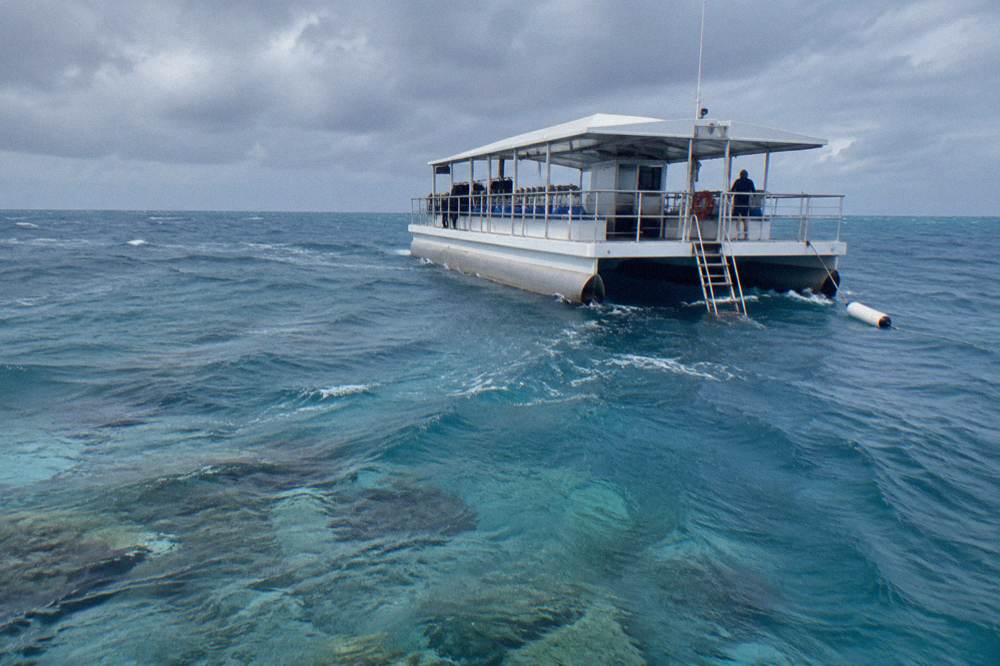
For travellers already on Hamilton Island, the outer-reef snorkel day departs from Hamilton Island Marina instead of the mainland: from A$330 per person, eight hours, rated 4.4 from 211 reviews, with free cancellation listed. The Hamilton Island day trips guide covers the island-side logistics, including the Resort Connections ferry fares from Port of Airlie.
How Reef Conditions Should Shape Your Island Choice
Reef monitoring in 2026 gives the Whitsundays' inshore and central reefs a steady rather than spectacular bill of health: the Australian Institute of Marine Science recorded central Great Barrier Reef hard coral cover rising from 28.6% to 31.6%, a change it calls within the margin of error, and above the long-term average of 20%. No Whitsundays-specific score for Hook, Langford or Hardy Reef is published, so treat any single-reef claim from a seller with caution. Coral cover is only half the picture, so check our guide to swimming in the Great Barrier Reef for stinger season timing, stinger suits and which Whitsundays tours actually get you in the water.
That single paragraph is the most useful thing a snorkeller can read before booking. The AIMS long-term monitoring report, released in August 2026, surveyed 121 reefs and found 28% increased in coral cover, 56% showed no net change and 16% declined, and it did not see a repeat of the mass bleaching of 2024 and 2025. The Reef Authority's August 2026 update, covering the central region that includes the Whitsundays, recorded one reef with medium bleaching and three with low coral damage out of ten surveyed. Both datasets are regional averages, and no official source publishes a Whitsundays-specific coral or bleaching figure for Hardy Reef, Heart Reef or the named island bays, so treat single-reef claims from sellers with caution. More of these guides are collected on Whitsunday Island Tours.
What that means for choosing is practical rather than gloomy. Because condition varies bay to bay, a trip with two or more snorkel stops, like the ZigZag eco-cruise or an Ocean Rafting day, hedges against one flat site. Because the outer reef is a different reef system, pairing an island day with a Hardy Reef day, or taking the fly-and-raft combo, spreads the risk further. And because cyclone season runs from 1 November to 30 April, as the Bureau of Meteorology states, summer bookings deserve a free-cancellation policy, which most of the roster's major listings carry. The when to avoid the Whitsundays post unpacks that calendar in full.
Do You Need A Stinger Suit To Snorkel The Whitsundays?
A stinger suit is advised from November to May, and marine stingers can be present in tropical Queensland water all year, which is why the Queensland Government's guidance never names a stinger-free month. Full-length lycra suits are provided free on commercial tour boats and at island resorts during the November to May window, so on any listed tour the suit is part of the fare rather than an extra to organise.
The official wording matters here. Queensland's dangerous-marine-creatures page states that stingers may be present year-round with higher risk from November to May, advises swimming in nets where they are provided, and lists vinegar first aid and calling triple zero for serious stings. Surf Life Saving Queensland uses the same November-to-May window. Operators go further: Red Cat Adventures states it provides suits at no additional cost on all its boat tours and recommends them year-round, while Ocean Rafting arranges stinger-suit hire at check-in for its season, which it describes as usually late October to April or May.
For swimmers who want ocean water without any stinger question at all, the Airlie Beach Lagoon is the free, patrolled, stinger-free option on the mainland, and the Airlie Beach Lagoon guide covers it in detail. On the islands there is no netted enclosure at Whitehaven Beach; protection comes from the operator-supplied suits, which is one more reason the packaged day trips suit first-time visitors better than independent boat hire. More on that trade-off sits in the can you swim at Whitehaven Beach post.
What Snorkelling In The Whitsundays Actually Costs
A snorkel-focussed day from Airlie Beach costs from A$219 to A$333 per person across this site's roster, from the Red Cat sail-and-snorkel day to the Hardy Reef combo, and every full-day passenger in the Marine Park also pays the Environmental Management Charge of A$8.50, or A$4.25 part-day. Most listings do not state whether the charge is included, so check the booking page before comparing fares line by line.
The charge is set by the Great Barrier Reef Marine Park Authority and collected through tour operators; it rises to A$9.00 full-day and A$4.50 part-day from 1 April 2027, and those future amounts are not today's prices. No roster listing states whether the EMC is built into its fare unless its own line says so, which is why this table prints only what each listing states.
| Listing | Style | From price pp | Rating | Snorkel inclusions stated |
|---|---|---|---|---|
| Red Cat catamaran snorkel cruise | Island combo day | A$250 | 4.9 from 3,166 reviews | Snorkel gear, meal, pickup, free cancellation |
| Red Cat sail and snorkel | Sailing day | A$219 | 4.8 from 755 reviews | Snorkel gear, meal, free cancellation |
| ZigZag eco-cruise | Two-stop island day | A$239 | 4.9 from 1,109 reviews | Two snorkel stops, meal, gear, free cancellation |
| Ocean Rafting speedboat | Northern islands fast day | A$249 | 4.9 from 5,008 reviews | Snorkel gear, meal, pickup, free cancellation |
| Reefworld pontoon day | Outer reef pontoon | A$329 | 4.6 from 375 reviews | Snorkel gear, meal, free cancellation |
| Hamilton Island reef snorkel day | Outer reef from the island | A$330 | 4.4 from 211 reviews | Free cancellation listed |
Cheaper formats exist but trade away the snorkelling. The Cruise Whitsundays half-day Whitehaven cruise, from A$124 per person, is the cheapest Whitehaven day trip on the roster and lists free cancellation, but its line states nothing about meals, pickup or snorkel gear, so it is a beach fare rather than a reef one. At the other end, the overnight options, from A$495 per person for the Matador one-night sail to A$699 for the two-night maxi trips, include meals and snorkel gear across several days of reef time; the overnight sailing comparison compares them properly.
A second table puts the three headline choices side by side on the measures snorkellers actually weigh:
| Question | Hook Island bays | Langford and northern islands | Hardy Reef pontoon |
|---|---|---|---|
| Water and setting | Sheltered inshore fringing reef | Shallow reefs beside small cays | Open outer-reef coral, 39 nautical miles out |
| Best suited to | Beginners, families, first-timers | Confident swimmers who like variety | Coral-first snorkellers, non-swimmers via observatory |
| Typical vessel | Catamaran or sailing yacht | Rigid inflatable speedboat | Large cruise vessel to a moored pontoon |
| Rough fare, this roster | From A$219 to A$250 pp | From A$239 to A$249 pp | From A$329 to A$330 pp |
| Time on water | 7 to 9 hours | 6.5 hours to a full day | About 10 hours |
Which Choice Fits Which Traveller?
Families and cautious swimmers should book the Hook Island style of day, ideally the Red Cat catamaran cruise at from A$250 per person, for calm water and a Whitehaven stop in one fare. Keen snorkellers after variety should take a speedboat day among the northern islands from A$249. Coral-first visitors, and any group that includes a non-swimmer, should spend the extra on the Hardy Reef pontoon day at from A$329 per person.
Splitting a longer stay across two styles is the pattern repeat visitors land on. A two-island, two-reef itinerary, one northern-island day plus one Hardy Reef day, covers both reef systems and simply adds the two fares together, from A$249 plus A$329 per person before add-ons, less than a single night aboard an overnight sail and with a bed on land each night. The how many days are enough guide works through the arithmetic of three, four and five day versions.
Whitsunday Island Tours publishes these comparisons precisely because the roster's thirty listings overlap so heavily at first glance: two Red Cat day trips, two Ocean Rafting listings and two Cruise Whitsundays reef products differ in duration and inclusions, not in name alone. Read each roster line, or the operator's own page behind each listing, before deciding. And whatever the choice, book with the free-cancellation listings marked above if your dates sit anywhere near the November-to-April cyclone window, because rescheduling a reef day is routine and rebooking a rigid fare is not.
Common Questions About Snorkelling The Whitsundays
Which Whitsunday Island Is Best for Snorkelling?
Hook Island is the best single island for snorkelling, with the richest fringing reefs in sheltered water. If outer-reef coral matters more than island scenery, Hardy Reef at the Cruise Whitsundays pontoon is the stronger choice. Langford Reef and the northern islets sit in between and suit small-group speedboat days.
Can you snorkel the Whitsundays without a tour?
Not easily. The reef sites sit inside a marine park with no land access, moorings are reserved for permitted vessels, and no scheduled passenger service runs to the snorkel bays. A packaged day trip from A$219 per person on this roster is the practical way in, and the full trade-offs are covered in the guide to visiting Whitehaven without a tour.
Do I need a stinger suit to snorkel in the Whitsundays?
A stinger suit is advised from November to May, and stingers can be present all year. Suits are provided free on commercial tour boats during the November to May window, and Red Cat Adventures provides them year-round on its boat tours, so on a listed tour the suit comes with the fare.
Is Hardy Reef worth the extra money over an island day?
If coral is the point of your trip, yes. Hardy Reef is outer Great Barrier Reef reef, reached by a moored pontoon with about four hours on site, versus inshore fringing reefs on the island days. The fare difference on this roster is roughly A$80 per person over a Red Cat catamaran day.
What extra charges apply on Whitsundays snorkel tours?
The Environmental Management Charge is A$8.50 per full-day passenger and A$4.25 part-day, collected through the operator. Most listings do not state whether it is included in the fare, so check the booking page. Optional add-ons like guided snorkel safaris or scuba are always extra.